11 things you can do to help your child overcome a fear of dogs
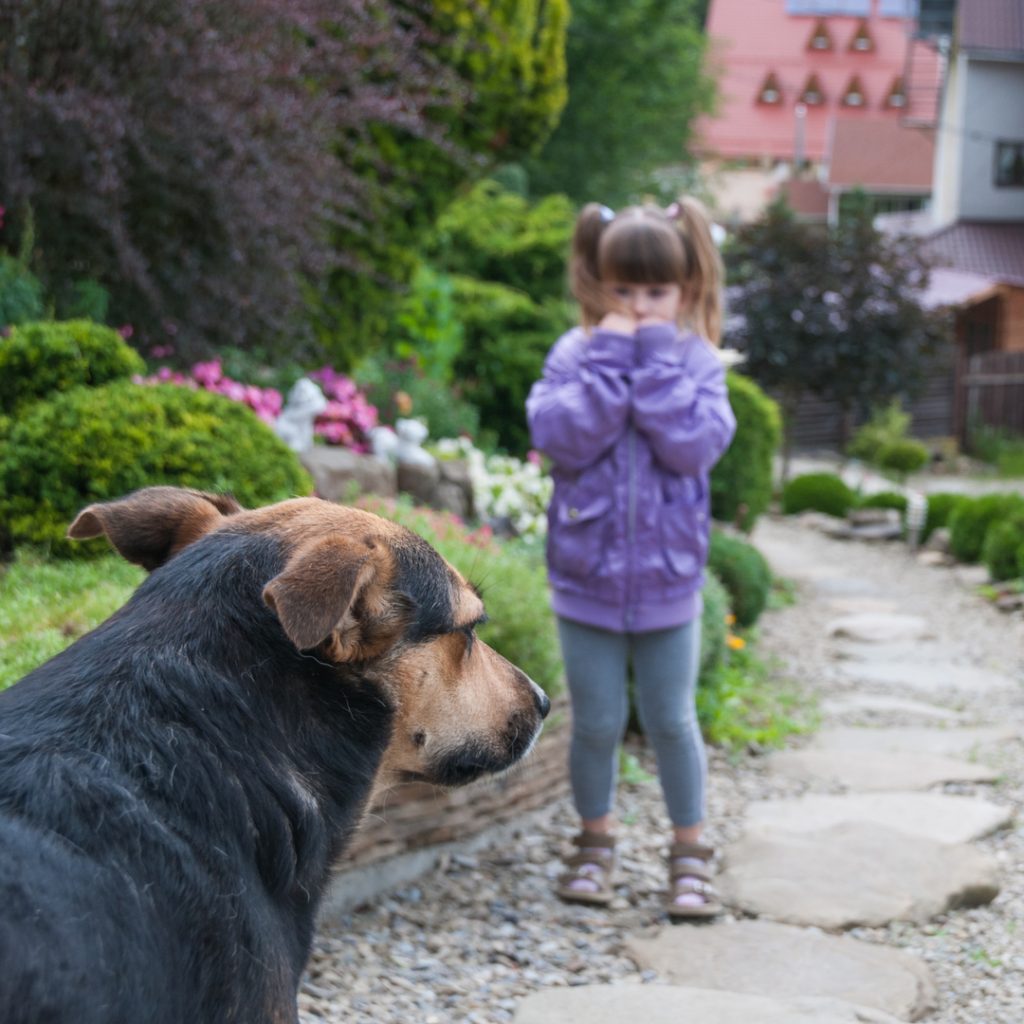
Phobias are the single most common childhood mental health condition. Almost 10% of children develop an animal-related phobia by age 121 and cynophobia (a fear of dogs) is one of the most common of these.
Most parents understand that they need to help their child face their fears to overcome them, but that's often easier said than done when it comes to a fear of dogs.
Here's a list of 11 of the most impactful things you can do to make this process easier, gentler and more effective.
1. Redefine bravery for your child
The words 'brave' and 'fearless' are often used interchangeably. However, this definition of bravery can be very unhelpful since it implies that simply feeling afraid reveals a lack of courage.
This creates a situation where your child tries really really hard to not feel afraid — and inevitably fails, causing further distress and confusion.
A much more useful definition of bravery is one that acknowledges that, even though fear is a powerful emotion that can't be switched off at will, we do have choices about what we do when we feel afraid.
Being brave means being willing to have the fear and do the scary things.
Teaching your child this meaning of bravery encourages them to focus on changing their behaviour when they feel scared, rather than getting into a counter-productive struggle with their feelings.
2. Notice and reinforce brave behaviour
Now that you're using a behavioural definition of bravery with your child — doing something even though they feel scared — you can acknowledge and praise this behaviour whenever you see it.
Praise your child when you can see that they're feeling a little nervous or unsure but aren't backing away: "Wow, you're being really brave right now even though you're feeling a bit scared, aren't you?"
If you do this well, your child should start looking for opportunities to be brave. You know it's working when they ask "Daddy, can you hold my hand so I can be brave and pat that dog?"
3. Encourage rather than correct
The word 'encourage' literally means to 'put courage in'. Encouraging your child will help them to be brave.
You can offer encouragement with your words, tone of voice, and facial expression. Be your child's cheerleader. Using phrases like "you're doing great!" and "you can do it!" will make your child feel bolder and more positive about trying something they feel scared about.
Never criticise your child or blame them for how they react. If they could choose not to be fearful, of course they would.
4. Take care of yourself
One of the hardest things about dealing with your own child's fear is having to also deal with the stuff it brings up in you, as their parent.
Aside from the obvious frustration with the fact that the fear can be so incredibly irrational, seeing your child struggling with something you can't easily fix is bound to be an emotionally challenging experience for you too.
Their distress may even trigger your own flight or fight response, limiting your capacity to respond effectively — a dysregulated parent can't calm a dysregulated child.
Getting pushed around by strong emotions can eaily lead to responses that are unhelpful to the situation, and not aligned with your goals and values.
Notice what shows up for you when your child is afraid — acknowledge, and let go of it. Make room for your own discomfort, and resist the urge to take control.
5. Connect before you direct
The next time your child is feeling anxious or afraid, allow yourself to let go of trying to control the situation. Be present with them, just as they are.
Even though you might not be able to relate to a fear of dogs specifically, you know what it feels like to be frightened — acknowledge and meet their emotional needs.
Once you've connected with your child's emotions, speak to them kindly, or offer them a hand or gentle touch to let them know you're there and you care. Being kind and caring when they're afraid will not 'reinforce' their anxiety — it will make them feel understood and more trusting of you when you ask them to be courageous.
6. Be your child's ally
In your eagerness to help your child overcome their fear of dogs, be careful not to make them feel like they can't rely on you for protection when they need it.
Make sure your child knows that you 'get it'. That no matter how irrational their fear is, you fully recognise how scary and real it is for them — and you're on their side.
That means never pushing them to do anything they're not ready to do, and being an advocate for them in making sure others respect their needs (e.g. asking a dog owner to put their dog on a lead in an on-leash area).
Reassuring your child can paradoxically make them feel like you don’t have their back — telling them “you’re okay, there’s nothing to be afraid of” can sound more like “I don’t understand what you’re feeling and I can’t be trusted to help you".
Instead, ask your child how you can help them. Ask "would you like to hold my hand?" or "shall I ask them to put their dog on the lead?" so they feel empowered by your presence.
7. Apologise when you get it wrong
If you've ever lost your cool, let frustration get the better of you, rolled your eyes, audibly sighed, broken a promise, lied, or told your child "there's nothing to be scared of" when they're feeling afraid — you're a normal, imperfect human being.
If you stuff up, acknowledge it and say sorry. A heartfelt apology can be such a powerful way to make a fresh start and rebuild trust in your relationship with your child.
Tell them you want to do better and ask them how you can earn back their trust — then back up your words with actions.
8. Learn about dog behaviour
The more you know about dogs, the more able you will be to help your child understand and interact with them. The unknown is always scary, so having a basic knowledge of dog behaviour and training is extremely useful for someone who is afraid of them.
There are also a lot of unhelpful myths about dogs that we hear parents repeating to their kids all the time. That certain breeds are inherently friendly or aggressive, for example, or that you need to be 'dominant' to command respect from a dog.
Separating fact from fiction will help you to understand and teach your child that dogs are predictable and safe.
9. Face the fear, gradually
Ultimately, the only way to overcome a phobia is by creating new positive learning experiences with the phobic stimulus — in this case, dogs. This is exactly what we do in a systematic manner in our therapy programs but if your child's fear isn't too severe, you may be able to have success doing this without help.
Look for opportunities for your child to face their fear in a controlled environment where they feel safe and able to call 'time out' if needed. For example, if a friend or relative has a calm older dog, see if you can spend some time with them on a leash, letting your child choose how close they get.
Always lead by example. If you're thinking about suggesting to your child that they pat a dog or give them a treat, do it yourself first then invite them to try as well.
What about introducing a puppy into the family? There may come a time when this is a great idea, but your child will need to be well on the way to overcoming their phobia before you consider bringing a dog into your home. Puppies may be cute, but they're also jumpy, nippy, energetic and unpredictable.
10. Be patient with progress
Building genuine confidence takes time. Sometimes the process can feel painfully slow but rushing inevitably makes it take even longer.
Keep in mind that even if your child is making progress, it won't necessarily be in a straight line. Ups and downs are to be expected.
What matters is the trend over weeks and months, not whether their fear is subsiding from one day to the next. You will have setbacks along the way — that's okay. See these as opportunities for connection and trust-building.
On the flipside, if you're seeing your child make good progress, resist the natural urge to push them to go even faster.
11. Ask for help if you need it
Helping a child through a dog phobia on your own is genuinely difficult — it takes an understanding of how anxiety works, as well as access to dogs that are calm, predictable and comfortable being approached by a nervous child.
If your child's fear is causing them real distress or getting in the way of things they want to do, and you're struggling to make progress on your own, you might recognise that you need help — knowing where to find it is another matter.
The clinic was established for this exact reason. Our experienced team helps kids in person in Sydney, and families online around the world.
Helping a child face a fear of dogs works best when it's gradual and built on trust — noticing their courage, staying connected rather than dismissive, and creating safe, controlled opportunities to face what scares them. Progress rarely moves in a straight line, so patience matters more than speed, and professional support is available if things aren't improving.
References
- Burstein, M., Georgiades, K., He, J., Schmitz, A., Feig, E., Khazanov, G., & Merikangas, K. (2012). Specific phobia among US adolescents: phenomenology and typology. Depression And Anxiety, 29(12), 1072-1082.

More articles
-

Why can’t I control my fear of dogs — even when I know I’m safe?
Being unable to talk yourself out of a fear of dogs isn’t a sign that something is wrong with you. Here’s why the brain’s fear alarm doesn’t take instructions — and what can be changed instead.
-

Signs and symptoms of cynophobia: When a fear of dogs takes control
Many people feel wary around certain dogs — but cynophobia is something more. A look at the diagnostic criteria used to distinguish a common fear from a clinical phobia, and what each one means in everyday life.
-

Overcoming a lifelong fear of dogs: A case study
An illustrative case study showing how graded, in-vivo exposure therapy can treat a severe, long-standing fear of dogs — from initial assessment through to a client walking confidently through an off-leash dog park.
-

Yes, dogs can smell your fear (but it probably doesn’t matter)
Dogs really can detect fear through scent — but research shows this makes them more cautious, not more aggressive. Here’s what the science actually says, and how to behave around a dog if you’re feeling afraid.
-

How to overcome a fear of dogs: The science of beating cynophobia
Cynophobia is a common, treatable specific phobia, and exposure therapy — approaching feared situations gradually and with consent, guided by an experienced clinician — is the most effective, evidence-based treatment available.
Are you ready to break free from fear and take back control?
Every journey starts with a Roadmap session — a 90-minute telehealth consultation you can join from home, anywhere in the world.
Book a Roadmap session